Creating beautiful, functional outdoor spaces in Birmingham, England, doesn’t mean compromising the environment. Sustainability should always be a key consideration when planning any landscape, from gardens to parks to business premises. Thoughtful choices in design, materials, and maintenance not only benefit local ecosystems but also create long-lasting, cost-effective, and resilient outdoor areas. Discover why sustainability matters and how you can integrate environmentally friendly practices into your landscape project.

Choosing Native Plants Is Vital For Local Wildlife
One of the most fundamental steps in sustainable landscaping is the selection of native plant species. Native plants are perfectly adapted to Birmingham’s climate and soil conditions, requiring less water and fewer chemical inputs. They provide crucial shelter and food for local pollinators and wildlife, supporting urban biodiversity. By incorporating native varieties into your plans, you help maintain the ecological balance and bring more life and colour to your outdoor space.
Water Conservation Strategies Should Be Considered First
Managing water use wisely is essential in sustainable landscape design. Consider installing permeable paving, rainwater harvesting systems, and drought-tolerant planting beds to reduce dependency on mains water. Efficient irrigation methods, such as drip systems, target plants directly and minimize waste. In Birmingham, where water conservation is increasingly important, these strategies lower costs and reduce the environmental footprint of grounds maintenance without sacrificing visual appeal.
Soil Health And Low-Chemical Approaches Are Crucial
Healthy soil forms the foundation of sustainability in landscaping. Composting organic material, using mulches, and favoring natural soil amendments over chemical fertilizers encourage robust plant growth and reduce pollution. Integrated pest management and minimal pesticide use further protect soil and groundwater. For Birmingham landscapers, prioritizing soil health ensures that plants thrive and supports numerous environmental goals, from carbon sequestration to improved stormwater management.
Sustainable Materials And Efficient Equipment Choices
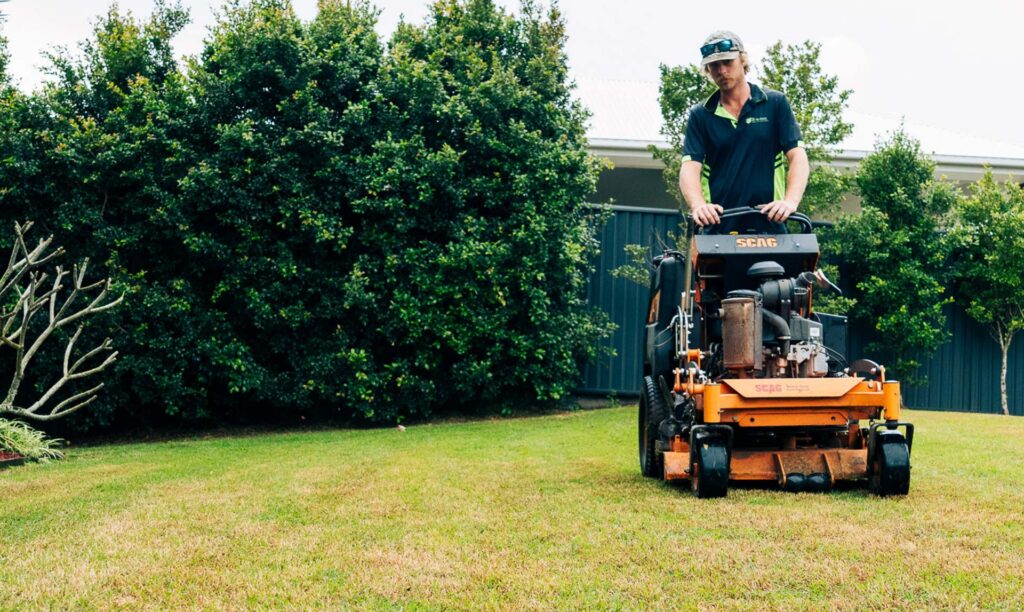
Selecting eco-friendly materials and energy-efficient equipment is another important part of sustainable landscape planning. Opt for recycled paving, sustainably sourced timber, or locally-produced stone to limit environmental impact and support Birmingham’s economy. Battery-powered or electric maintenance tools produce less noise and emissions compared to petrol alternatives. These choices contribute to cleaner air, quieter neighborhoods, and a reduced carbon footprint overall.
Long-Term Maintenance Plans Preserve Sustainability Benefits
A sustainable landscape isn’t just about installation; maintenance plays a huge role. Develop a long-term care plan that includes regular monitoring, eco-friendly pest management, and seasonal planting adjustments. Engage your Birmingham community or team in upkeep practices that protect resources and promote biodiversity. By prioritizing sustainability throughout the lifespan of your landscape, you’ll enjoy beautiful, resilient grounds that benefit both people and the environment for years to come.